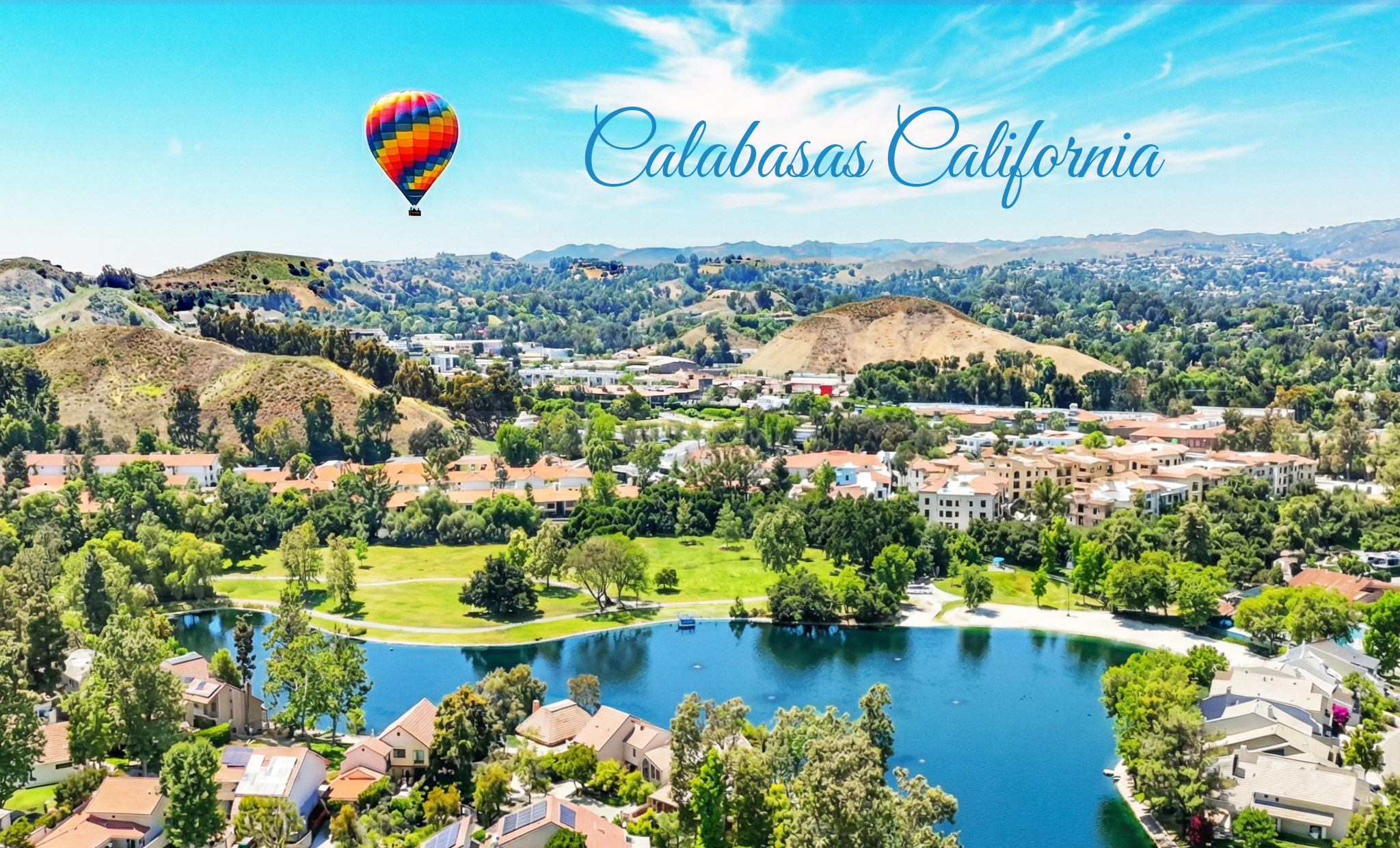
 Name, pumpkins, and a lost wagon
- The name “Calabasas” traces back to an old Spanish term for squashes or pumpkins, inspired by wild gourds that once covered the hillsides.
- Local lore says a ranchero’s wagon loaded with pumpkins overturned along El Camino Real, the seeds scattered, and a seasonal pumpkin patch sprang up so impressively that travelers began calling the area “Las Calabazas.”
- The modern Pumpkin Festival every October is not just a fall fair; it’s a deliberate nod to that pumpkin/squash origin story and the city’s name itself.
Chumash roots and 700‑year‑old oaks
- Long before gated communities, the Calabasas area was home to Chumash villages, who chose the canyons for their springs, wildlife, and acorn-rich oak groves.
- Some of the valley oaks in and around Calabasas are estimated to be 500–700 years old, meaning a few living trees predate European contact in California.
A tiny “Old West” town with a hanging tree legend
- Present-day Calabasas Road was once a segment of El Camino Real, the “King’s Highway” linking the Spanish missions, and Old Town still hugs that original route.
- Early accounts describe Calabasas as a rough frontier outpost, complete with a notorious “hangman’s tree” near the old jail—there’s no record of an actual hanging, but the tree became a civic landmark before utility work killed it.
The Basque “King of Calabasas” and a saved adobe
- The Leonis Adobe, built around 1844, is one of the oldest surviving buildings in greater Los Angeles and sat at the heart of Rancho El Escorpión, a sprawling 1,100‑acre ranch.
- Its owner, Miguel Leonis, was a tall, imposing Basque rancher nicknamed the “King of Calabasas,” and local stories painted him as part feudal lord, part folk antihero.
- The adobe nearly became a supermarket parking lot in the 1960s, until a preservationist bought and restored it; today it anchors Old Town as a historic museum rather than a demolished footnote.
An artists’ colony tucked in the hills
- Decades before celebrity compounds, Calabasas’ first planned subdivision—Park Moderne, created in the late 1920s—was marketed as a secluded retreat for artists, writers, and craftsmen.
- Many of its original cottages still stand, quietly showcasing quirky early‑modern architecture amid the more familiar contemporary hillside homes.
From water scarcity to boomtown
- Until the mid‑20th century, chronic water shortages kept Calabasas rural and sparsely populated, even as Los Angeles exploded around it.
- Creation of the Las Virgenes Municipal Water District in 1958 finally secured a reliable water supply, triggering the development wave that transformed it from ranchland into an affluent suburban city.
Hollywood’s not-so-secret backlot
- Thanks to its rugged canyons and golden hills, the Calabasas area has doubled as “the West” on screen for over a century, with nearby locations used for classic Westerns and later film and TV shoots.
- Even as the city built out new neighborhoods and shopping centers, the surrounding open space has helped preserve that cinematic, backlot-ready terrain.
The “newest” city in LA County
- Calabasas only incorporated as an official city on April 5, 1991, making it one of the youngest municipalities in Los Angeles County despite its centuries of lived history.
- At incorporation, the city owned just a single municipal property; today it operates a network of parks, civic buildings, and a full civic center, all built in just a few decades.
Call Francesca for all your real estate needs.

FRANCESCA LUTERAAN
818-618-9368
Rodeo Realty
23901 Calabasas Rd.
Calabasas, CA 91302
www.FrancescaLuteraan.com
https://linktr.ee/luteraan
DRE #0115331
Leave a Reply